Wednesday, 26 February 2014

6 Best Practices for increasing conversion for retail E-commerce websites on mobile devices (smartinsights.com)

Recent research by IMRG and Capgemini on Ecommerce sales trends in the UK stated that 23% of all online retail sales in Q2 2013 came from mobile devices. And of these, tablets accounted for 85%. The dramatic headline was:
“Sales via Desktop flat-line as sales via mobile devices now account for all online growth”
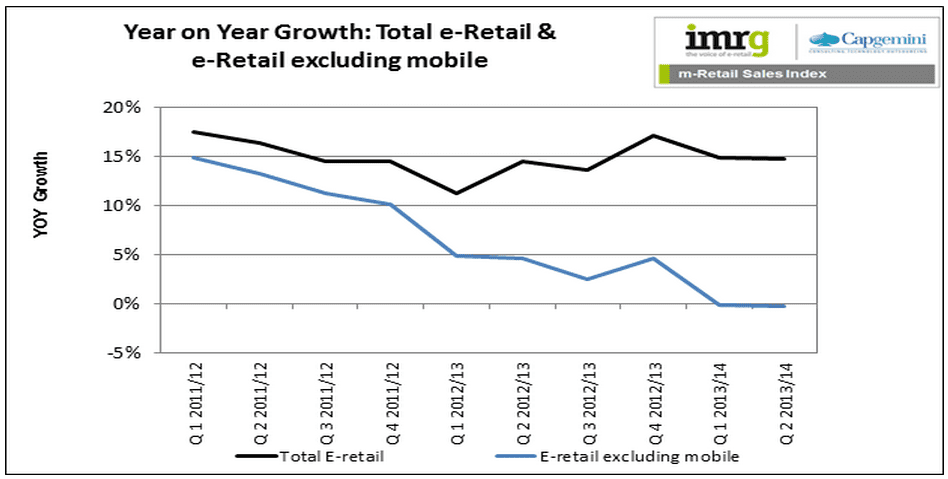
desktop-ecommerce-mobile-ecommerce-sales
However, an interesting turning point here is that, 2013 saw smartphones go through a greater rate of growth in terms of mobile transactions. This being the case, you will know that it has become  critical for online retailers to optimize their e-commerce websites for mobile.

Improve your e-commerce website for mobile usage

Here’s a list of issues to consider, or best practices, based on our experiences, that will help you provide a better shopping experience that meets the expectations of online mobile shoppers.
  • 1. Using Geo-location to find the nearest offline store

According to a recent survey by Accenture, 65% of multi-channel shoppers are reported to prefer using web for researching before making a purchase in person at a store.
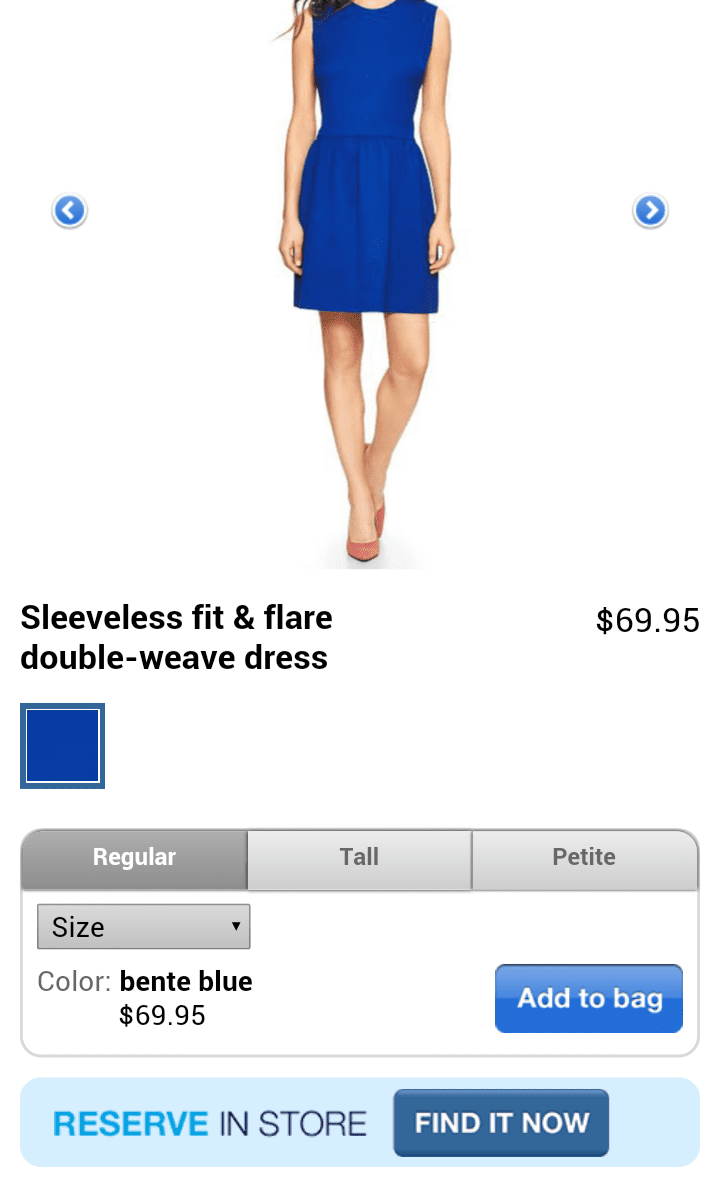
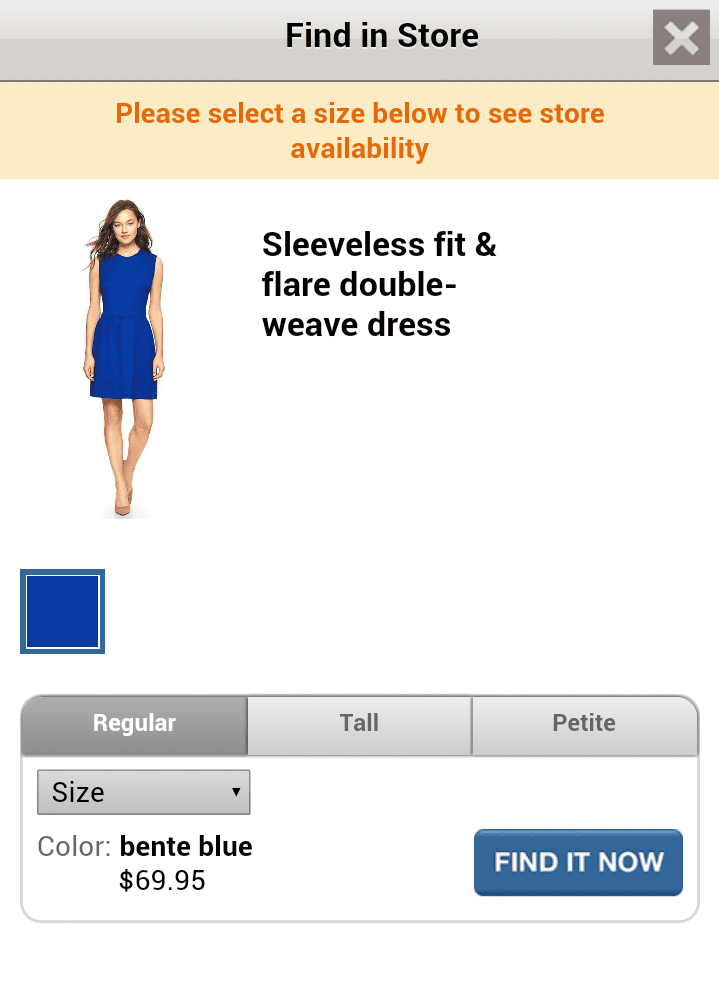
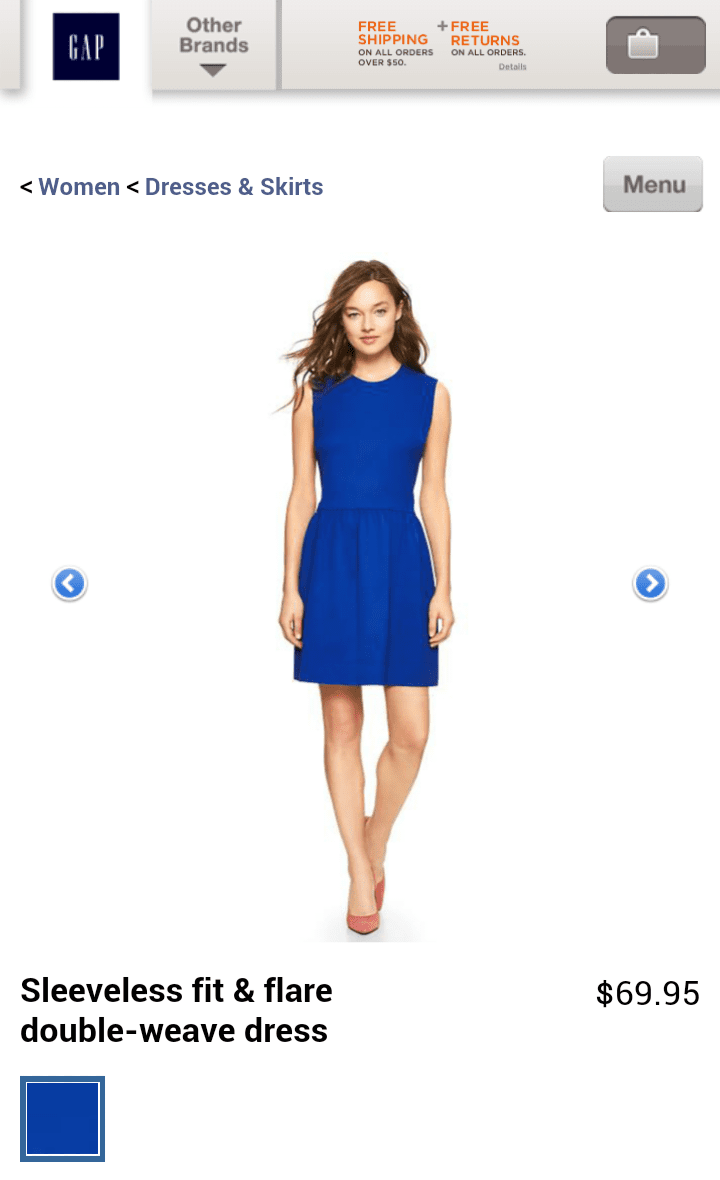
  • Online retailers can use this to their advantage by using GPS information to direct a shopper to the nearest offline store as done on the Gap website.
Gap1Using Geolocation to find the nearest offline store-1.png
Gap2Ecommerce Websites for Mobile- Using Geolocation to find the nearest offline store-2.png
gap3Ecommerce Websites for Mobile- Using Geolocation to find the nearest offline store-3.png
Failing to anticipate and adapt to such changes in the way online shoppers consume media could mark the beginning of the downfall in e-commerce. As consumers view multiple streams of content simultaneously on different devices, engaging them with a seamless multi-screen shopping experience has become highly crucial these days.
  • 2. Activating social logins and guest sessions

According to a recent Harris Poll, two-thirds of shoppers abandoned their online purchases on mobile devices due to poor checkout experiences. And while 47% of these shoppers said that the checkout process was too long, 41% of them blamed it on not being mobile optimized.
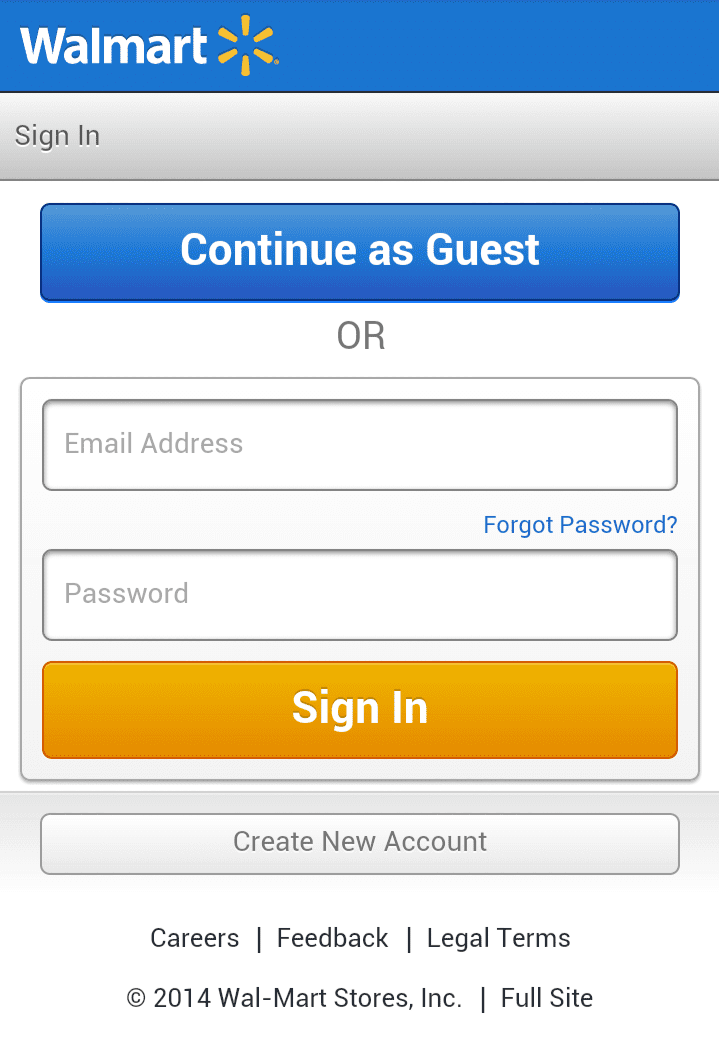
  • You can streamline the mobile checkout process by providing shoppers with the option to checkout using an existing account or as a guest.
  • For example, Walmart’s website lets consumers place an order by continuing as a guest without having to register for an account.
Walmart- Activating social logins and guest sessions-1.png
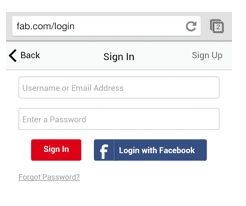
  • You could even provide your consumers with a social log-in. A recent report by Gigya states that 74% of online shoppers prefer a Facebook login as it conveniently lets them have a common password for a number of services.
  • For example Fab.com, another popular e-commerce website allows it’s shoppers to easily log in with Facebook if they don’t want to create an account.
socialogin
  • 3. Providing alternative mobile payment options

A recent study by SeeWhy, a major player in real-time e-commerce shopping cart recovery, states that alternative payment options such as Paypal, Google Wallet and MasterCard MasterPass have resulted in 101% increase in conversion rate from smartphone users. Moreover as on July 2013, 34 percent of U.S. online shoppers are reported to have Paypal accounts as per a recent survey conducted by SeeWhy.
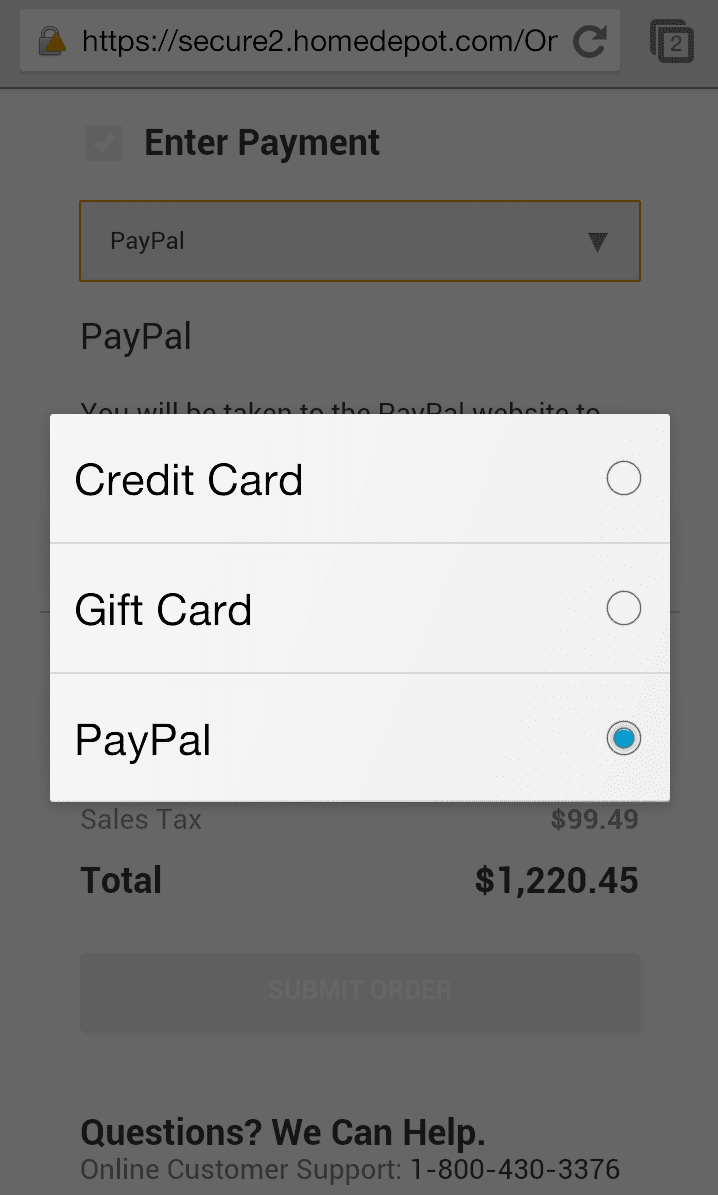
  • Home Depot, a popular e-commerce website uses this to their advantage by letting shoppers speed up their checkout process by opting for Paypal and automatically populating their existing payment information.
Optimizing Ecommerce Websites for Mobile- Providing alternative mobile payment options.png
  • Meanwhile Google Wallet is another option that is growing in popularity partly due to the quick adoption of Android smartphones among consumers.
  • Google Wallet also lets users sign in using their Google+ accounts. Therefore, if you are considering implementing social logins as well, this might be a good option to go ahead with.
  • 4. Incorporating mobile product videos
One of the biggest drawbacks of selling online or on mobile is that customers cannot feel the product or try it before they make a purchase. Consumers are generally drawn towards e-commerce stores that give them a good sense of the product that they are buying.
A study by Invodo states that 52% of online shoppers said that product videos make them more confident about their decision to buy. Among them 45% of consumers are reported to have watched 5 or more product videos in the last three months.
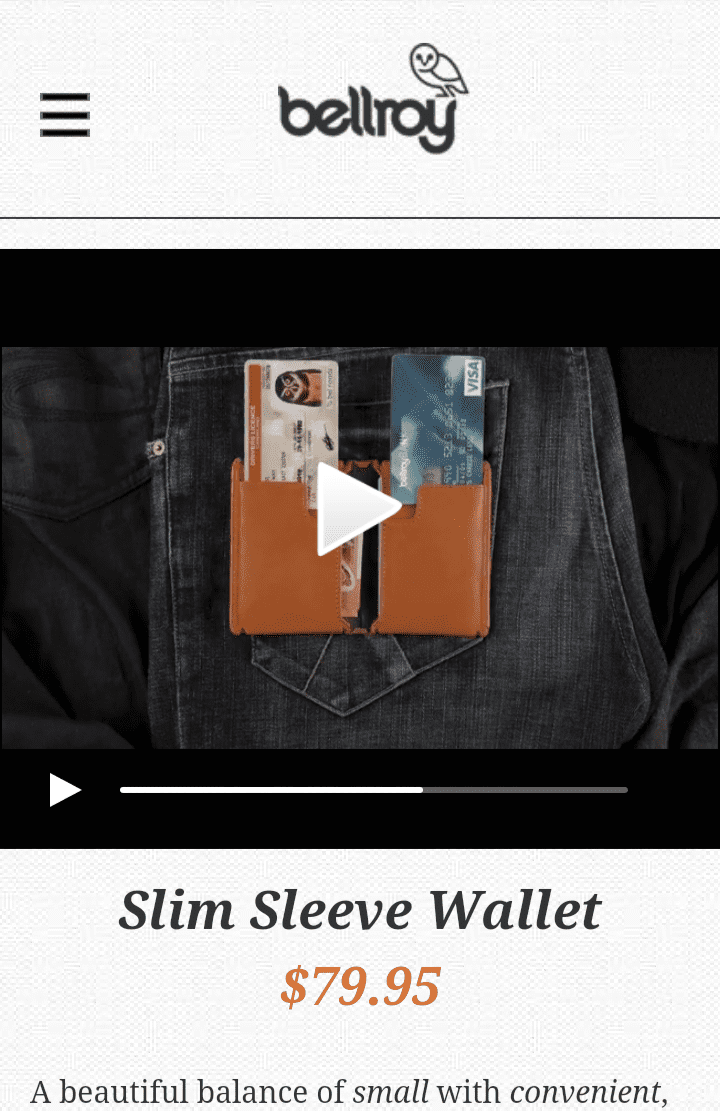
  • A good example of this would be the product videos on Bellroy website. The video highlights the features of the wallet in action, by showing online shoppers exactly what they can fit in there. Watch the video at bellroy’s website.
Optimizing Ecommerce Websites for Mobile- Incorporating mobile product videos.png
  • 5. Optimizing Product Image Galleries

The small display on mobile devices makes it difficult for consumers to understand the product entirely. Especially in the case of e-commerce websites that takes shoppers to a separate product subpage to view a zoomed-in image.
Often, this results in shoppers discarding products due to the lack of vital content such as Product Description, Product Specs and User Review which are available on the main product page alone.
  • A good solution to this is having a callout similar to the one on The Home Depot website saying ‘Tap Tap to zoom’ on the screen. This gives the shopper enough time to understand how to go about navigating the page.
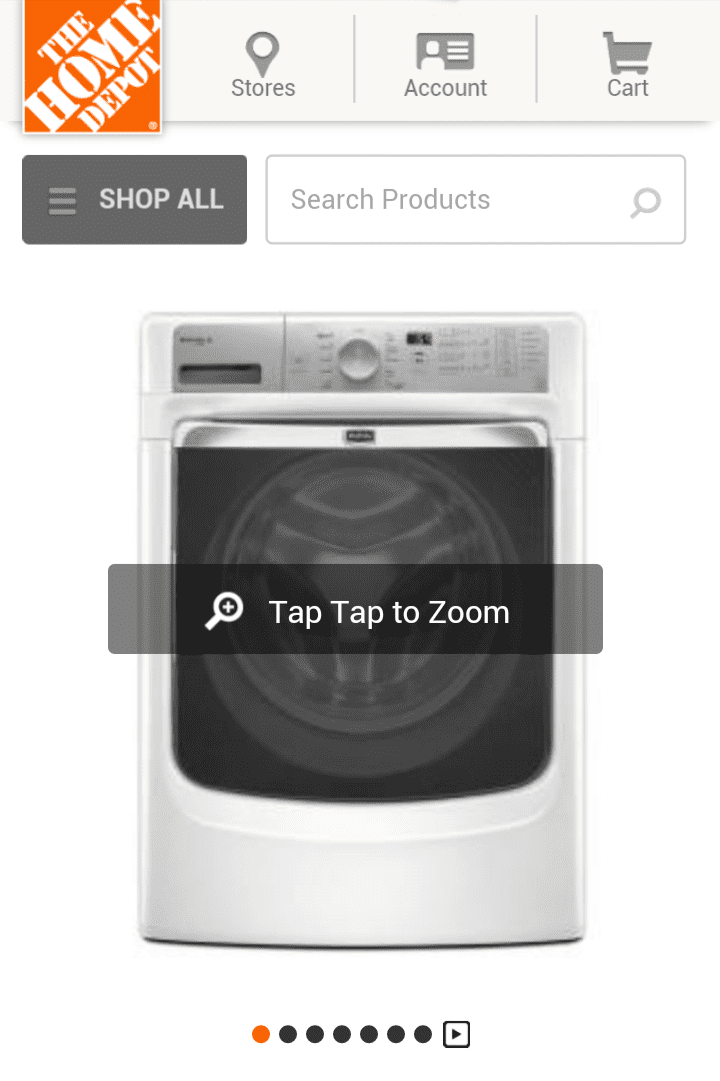
Optimizing Ecommerce Websites for Mobile- Optimizing product image galleries-1.png
  • Another popular e-commerce website, Dune London is designed to make the most of the given space by letting shoppers glance over multiple views of the product by hovering over product images on the catalog pages. This further helps shoppers gain a better idea of the product with minimal effort.
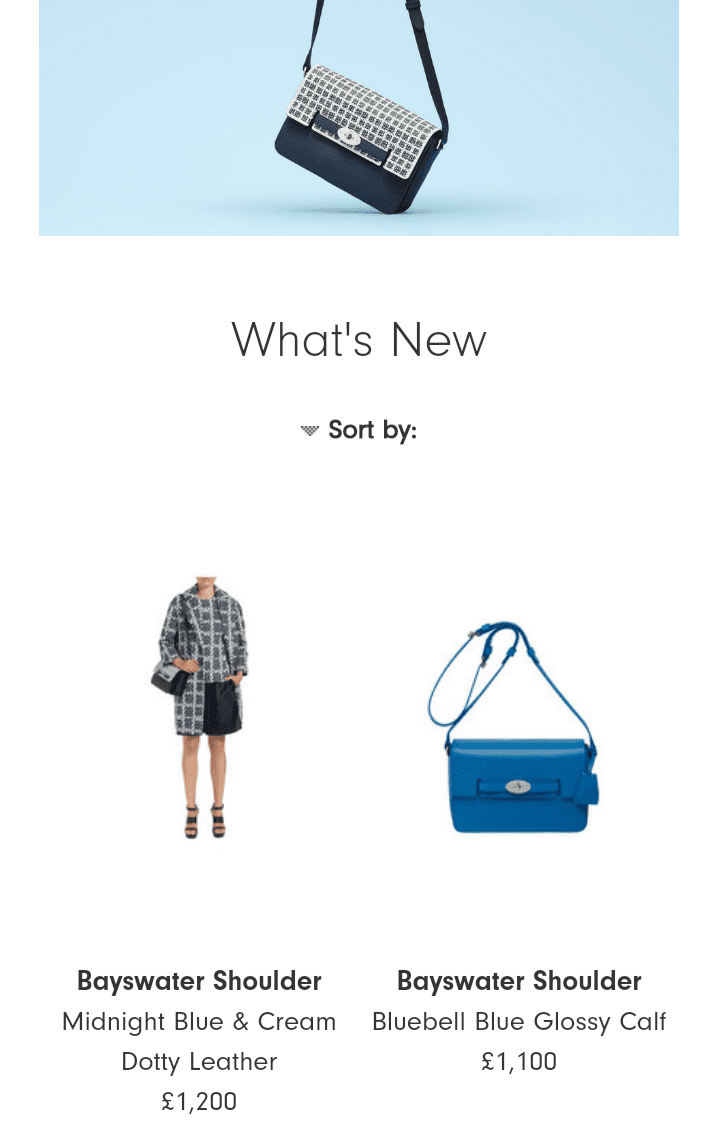
Optimizing Ecommerce Websites for Mobile- Optimizing product image galleries-2.png
  • 6. Including social media share buttons

Consumers often look to their family or friends for product recommendations.
According to a recent study by Business Insider, shoppers who use mobile devices are twice as likely to share content on social networks as opposed to those on desktop.
  • You could even use social media share buttons to highlight mentions on other social media networks, thus helping consumers take a quick purchase decision.
  • ASOS is a great example of an e-commerce website that makes it easy for online shoppers to easily share their favorite finds with their family and friends.
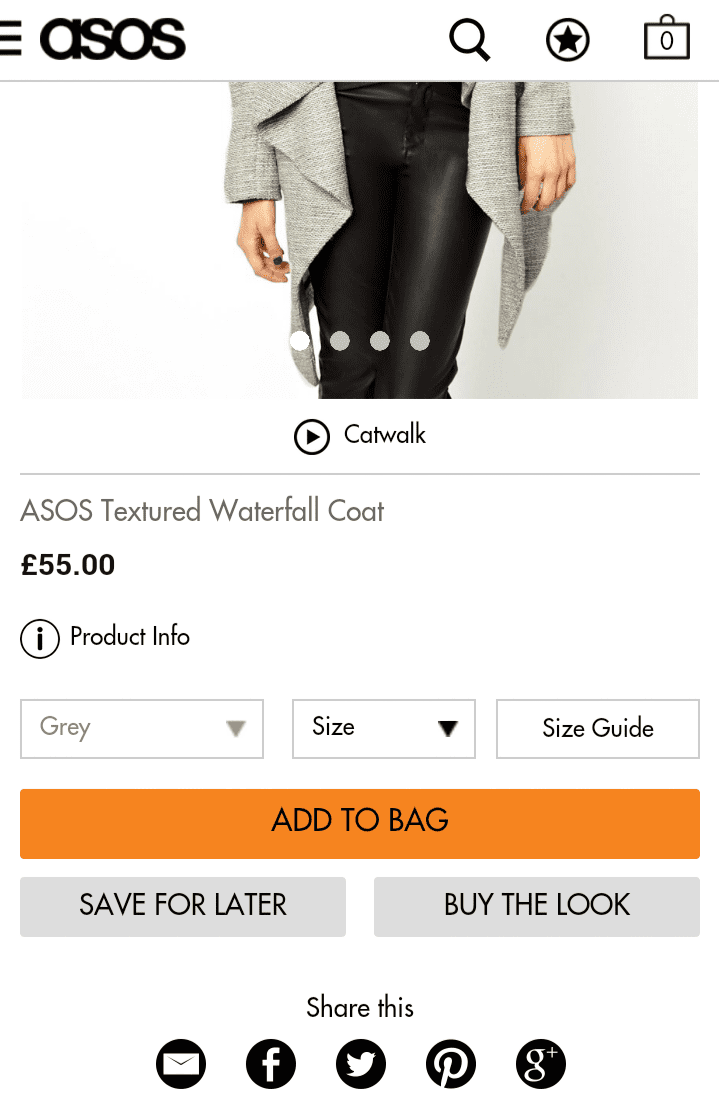
Optimizing Ecommerce Websites for Mobile- Including social media share buttons.png
As mobile becomes an important channel of revenue for retailers, optimizing your e-commerce websites for mobile has become of utmost importance. How many of the above mentioned features have you applied on your website? Are there any other best practices that your e-commerce website follows? Share your thoughts in the comments below.

5 Ways to Set Your App Up for Long Term Success (sensortower.com)

It can certainly be fun to get into the Top Charts with a game like Flappy Bird, but once the novelty wears off, then what? You will have to go back to the drawing board and create another hit, which may or may not have the same success.
Building a top app is not easy and building an app that stays on the top charts for years is definitely a challenge. Sometimes you just get lucky, but many times success is the result of focus, proper market research, providing real value and a few learning experiences along the way.
In this post, we will go over five ways that you can develop an app for the long haul. While this is not the only way to be successful in app development, it is what we recommend and you will find out why.

5. Go Long On Content

If you have an app that is based on a blog or content based service of some kind, then you already have this one covered. But if your app is not content based, consider ways that you can add related content to your app to make it more useful.
For example, if you have a travel app that helps people find the best rates on hotels, flights and car rentals, you could add content about recommended places that they can visit during their trip. A continuous source of quality content is a great way to keep users coming back for more. Hipmunk has added TripAdvisor data to provide related content for travel bookings.

4. Leave The Door Open

When designing your app, it may be a good idea for you to provide a core set of features, while giving users the ability to add additional features in the future. Think about additional tools that a user might need to do functions associated with the app.
This not only makes your app useful now, but it gives users confidence that there are other features available and gives you the ability to add additional revenue streams in the future. You can do this through a subscription or in-app purchases.

3. Make It Social

Even the simplest apps can find long term success by implementing social interaction. One example is a game like Words With Friends.

It is a simple game that could be pretty boring to play against the computer. But, by allowing players to match wits against their real life friends, it makes the game much more fun.
So even if your app isn’t a game, think of ways that users can add their friends to the app to make it more engaging. This will also increase the viral potential of your app, since you can instantly gain access to a person’s social network.

2. Focus On Quality, Not Quantity

Reskinning an app that you bought the source code for is one way of creating income, by allowing you to publish multiple games in a short period of time. But are these games something that you really care about? Do you want to improve and expand them in the future?
If your answer is “no”, then you may want to rethink your strategy. While reskinning can be a viable short-term business model, it is rarely a strategy that will give you long-term success and more importantly, personal satisfaction.
Quantity almost never results in quality and App Store Optimization for 200 apps is going to be much more difficult and time consuming than doing ASO for just 1 to 10 core apps. A better strategy is to take the time to build and launch a quality app that is designed for long term success and only create new apps as your development bandwidth allows. If we look at the top 10 apps most valuable apps on our App Leaderboard, we see that this is certainly the case with ultra successful publishers.

Of the iOS publishers with apps in the overall top 10, each publisher has an average of 4.4 apps, with Machine Zone, Inc having the highest app count, at 16 apps. If we exclude Machine Zone from the app count the average number of published apps drops to 3.
So if you want to model successful publishers, then this is definitely one thing that you should pay attention to. Fewer apps means better focus and usually higher quality.

1. Solve A Real Problem

This is by far the best way to ensure that your app will be around for a long time to come. Although there is no guarantee that you will succeed, having an app that people cannot live without is an excellent place to start.
If you have a game, the problem that you are solving is boredom. So instead of creating a game that only has a few levels or has levels that all look the same, find a way to change it up and add social elements to keep players interested and engaged. This may mean adding additional levels on a regular basis or adding fun updates from time-to-time.

Other types of apps help solve everyday problems, from getting a taxi, to controlling your home automation system. But there are still so many problems out there that need a good solution, so your next big app idea may be closer than you think. Be aware of problems that you have personally and how an app could solve it.
There is also another benefit to solving real word problems. The more complex the problem you are solving, the harder it is for others to copy you. Compare this to all of the clones that pop up any time a gimmicky new app goes viral.

Conclusion

While the needs of the public and technology will change over time, you should do everything in your power to set yourself up for success over a period of years, not months. Steady growth through continuous improvement and providing real value can not only result in an extremely valuable app, but it can also provide a lot of personal satisfaction, knowing that you have created something that people truly love.

Tuesday, 25 February 2014

Apple AppStore & Google Play Trends: Promising Categories & Most Sold In-app Purchases at a Glance (blog.azoft.com)

Apple AppStore & Google Play Trends: Promising Categories & Most Sold In-app Purchases at a Glance


As mobile application markets continue to explode, it is difficult to keep track of all the changing tendencies of the global app landscape. Perusing through recent AppMarket Reports from Priori, we've come up with some data on US, UK and Central European AppStore & Google Play activity that mobile developers and designers alike can use to gain an overview of recent trends. The areas in focus are:
  • The most promising AppStore & Google Play app categories;
  • Recent monetization trends; the adoption rate of apps with in-app purchases among publishers & consumers;
  • App categories that have the most activity on in-app purchases;
  • The most sold in-app purchase items with prices;
  • The most successful developers.

 Most popular app categories

Whether you want to go up against current stars in the most promising categories, or choose to make your app shine in a less competitive one, this information can be helpful for your planning strategy. The following categories held the largest portion of popular apps in December, 2013 according to Priori's data:
Categories with the largest number of top apps, AppStore / Google Play, the USA


Chart 1.1 Categories with the largest number of top free & paid apps, AppStore, the USA. The % of Downloads value tells how many downloads are generated by top apps in given category in proportion to total downloads generated by those apps across all categories. E.g. if all apps in Priori's Top Apps generated 1.000.000 downloads, and 500.000 of these were generated by games, then the Games value will be 50%.
Google Play Categories of Top Free & Paid Apps, the USA


Chart 1.2 Categories with the largest number of top free & paid apps, Google Play, the USA.
AppStore Categories of Top Free & Paid Apps, Europe


Chart 1.3 Categories with the largest number of top free & paid apps, AppStore, Europe.
Google Play Categories of Top Free & Paid Apps, Europe


Chart 1.4 Categories with the largest number of top free & paid apps, Google Play, Europe.

Monetization trends

Monetization types & prices

The revenue model shows no drastic changes. There are still four main monetization types:
  • Free Apps
  • Paid Apps: the pay-before-download model
  • Free + In-App Purchase: free app with the option of purchasing virtual goods from within the app
  • Paid + In-App Purchase: app monetized by a combination of pay-before-download and the option of purchasing virtual goods from within the app
Apps with In-App Purchase as % of the Total Number of Apps: 10.03%


Chart 2.1 Monetization type ratio, AppStore, the USA. Apps with In-App Purchase as % of the Total Number of Apps: 10.03%.
Apps with In-App Purchase as % of the Total Number of Apps: 5.75%


Chart 2.2 Range of top app prices, AppStore, Europe. Apps with In-App Purchase as % of the Total Number of Apps: 5.75%.

In-app purchase

The following charts show which app categories have the most activity on in-app purchases:
Categories with the largest number of apps with in-app purchase (IAP), AppStore, the USA, the UK, Europe.


Chart 3.1 Categories with the largest number of apps with in-app purchase (IAP), AppStore, the USA, the UK, Europe.
The following in-app purchase items are sold the most in the USA AppStore:
Top Downloaded Free Games with In-App Purchase, the USA


Table 1.1 Top downloaded free apps (all games) & the most sold IAP items, AppStore, the USA.
The tables below reveal the in-app purchase item prices.
In-app purchase item prices, AppStore, free apps


Table 2.1 In-app purchase item prices, AppStore, free apps.
In-app purchase item prices, AppStore, paid apps.


Table 2.2 In-app purchase item prices, AppStore, paid apps.

Who are the most successful new publishers?

‘Learning from the best’ is a universal practice and it works just fine when it comes to mobile app development, too. It’s not about stealing, but observing and re-creating a UI, functional approach and software solution that your audience needs and likes better than anyone else’s.
Here’s a list of top developers whose work may inspire you to come up with a fresh look or new idea:
  • Fingersoft
  • EA
  • Gameloft
  • Supercell
  • Glu
  • Storm8 (TeamLava)